
The basoli of Naples: walking on a volcanic city
In Naples, Vesuvius doesn't only dominate the skyline. Part of the area's volcanic history is also under your shoes.
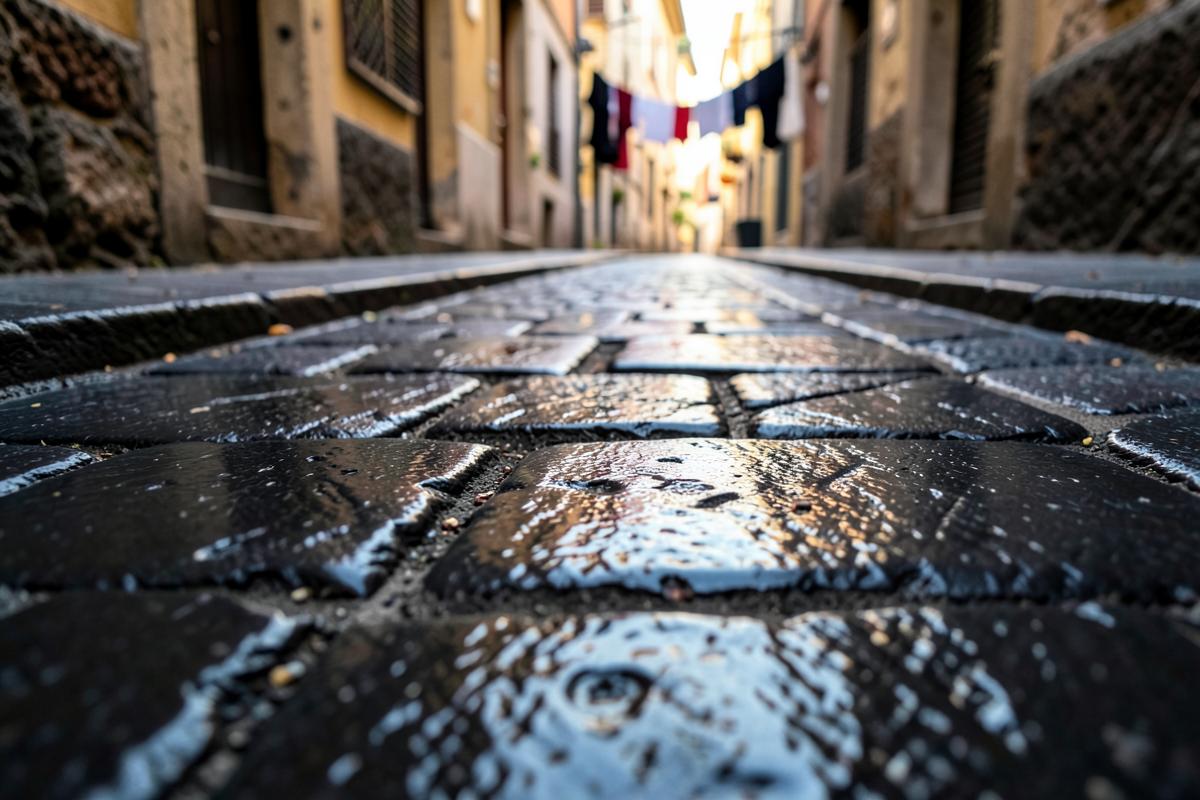
Naples has a rather particular relationship with the ground.
A few kilometres away stands one of the most famous volcanoes on the planet. Vesuvius appears at the end of streets, behind buildings, from terraces and viewpoints. It is there even when nobody mentions it.
But to find another trace of that geology you don't have to look towards the volcano.
You have to look down.
In many historic Neapolitan streets you'll see large dark pieces of volcanic stone: the basoli.
They don't have the perfect regularity of a modern tile. They are worn, polished and marked by years of footsteps, carts, scooters, repairs and rain.
And maybe that is exactly why they suit Naples so well.
What exactly is a basolo?
A basolo is a large, hard-wearing piece of stone traditionally used to pave streets.
In Naples the basolato made with volcanic stone is particularly important.
These pieces are far bigger than a conventional small cobble. Their hardness makes them suitable for pavements that take an enormous amount of wear.
The Comune di Napoli still sets technical specifications for the use and recovery of basoli in urban projects, including pieces of magmatic rock of basaltic origin and the need to integrate new material without creating obvious discontinuities with the recovered historic pavement.
In other words: these are not simply some old stones left behind.
They are part of an urban landscape the city is trying to preserve.
The dark colour of Naples
Picture Spaccanapoli completely covered in asphalt for a moment.
It would work.
It would probably be smoother.
But visually we'd lose something.
The dark grey of the stone, the irregular joints and the shine that appears when it rains are part of the image of the historic centre almost as much as its façades, balconies and hanging laundry.
The stone even helps define how we see the city's light.
When the ground is wet, the streets seem to change colour.
In the sun, the worn surfaces bounce back small patches of light.
The pavement stops being background and becomes part of the scene.
A stone worth keeping
The relationship between Naples and its basoli is not free of conflict.
Streets need drainage, utilities, maintenance and accessibility. Stones are lifted, worn down or broken.
And replacing them raises a bigger question than it seems:
When does paving stop being simply paving and start being heritage?
In Naples that line has been argued over repeatedly.
Preserving the historic Vesuvian basoli has sparked debate whenever some pavements have been replaced with other materials.
It makes sense.
If we slowly replaced every old piece, a street would still be in exactly the same place.
But it might no longer be exactly the same street.
Naples works better with imperfections
There is something very Neapolitan about the basoli.
They don't try to look new.
They have scratches, softened edges, irregularities and small differences from one piece to the next.
In a city obsessed with looking perfectly tidy they would surely be a problem.
In Naples they are part of the character.
That doesn't mean every broken pavement automatically becomes heritage.
It means wear can tell a story too.
Thousands of footsteps can polish a stone in a way no factory could reproduce exactly.
And once you've spent enough time looking at the ground, you start to read those marks.
From the volcano to the street
There is something powerful about a volcanic territory ending up using its own stone as building material.
Vesuvius stands for destruction in one of the best-known episodes of European history.
But volcanic rock also means construction, resistance and daily life.
The same geology can shape a volcano that frightens a city and the stones that city walks on.
Not bad for something we normally just call “the ground”.
Stones that stay and stones that travel
A basolo can spend generations in practically the same spot.
A LEVART stone wants exactly the opposite.
But they have something in common.
Their story depends on the people who pass over them.
Some receive thousands of travellers.
The others travel with them.
So next time you walk through the historic centre of Naples, try something.
For ten seconds, don't look at the façades.
Look down.
The volcano might be much closer than you thought.
Official sources
Shall we keep looking down?
At LEVART an ordinary stone gets a name, a mission and a QR code. Then it starts travelling from hand to hand.
Looking for inspiration for yours? Ideas to get your stone travelling
Keep discovering
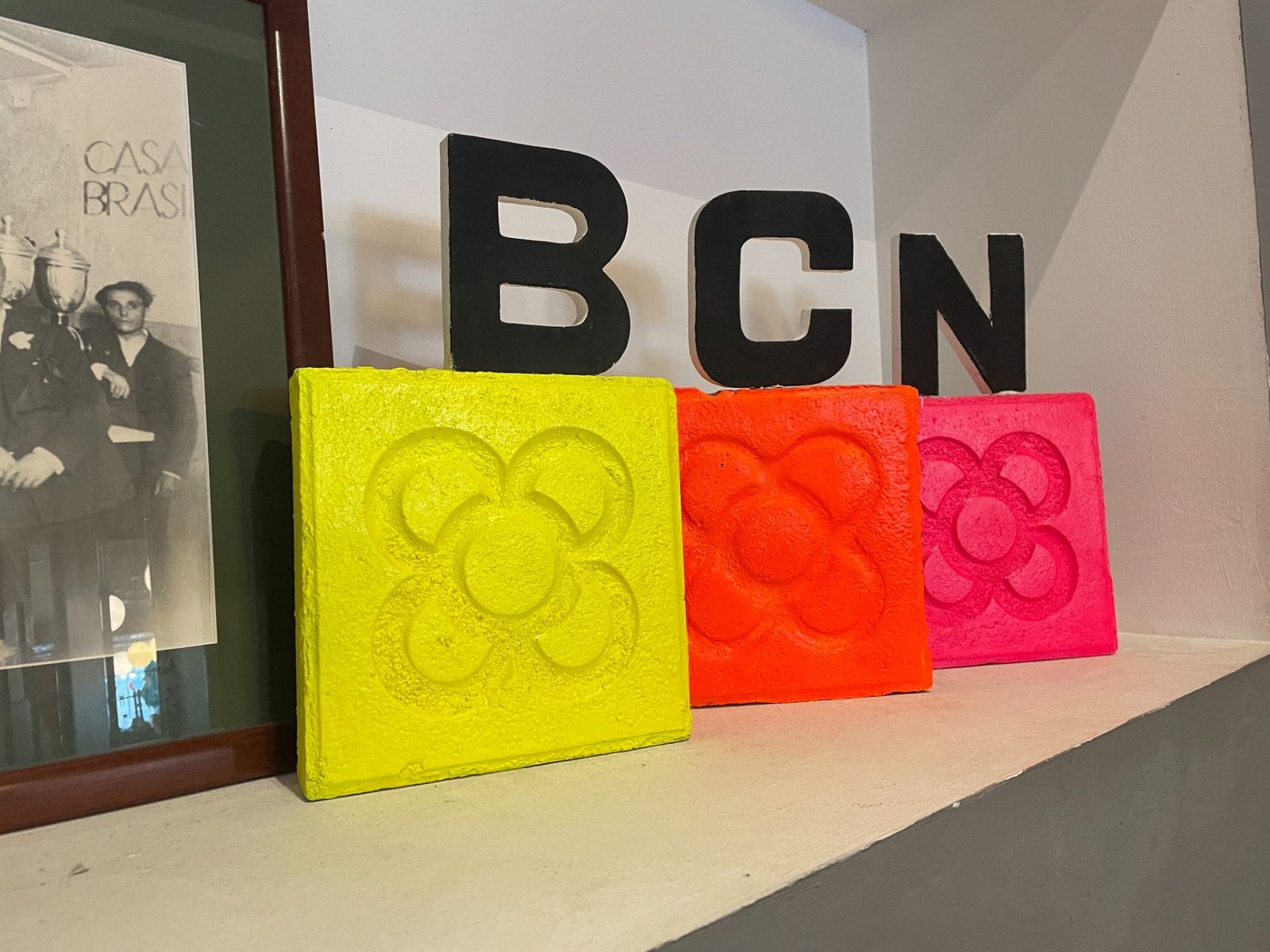 Barcelona
The flower millions of people step on every single day.
The panot of Barcelona
Discover the story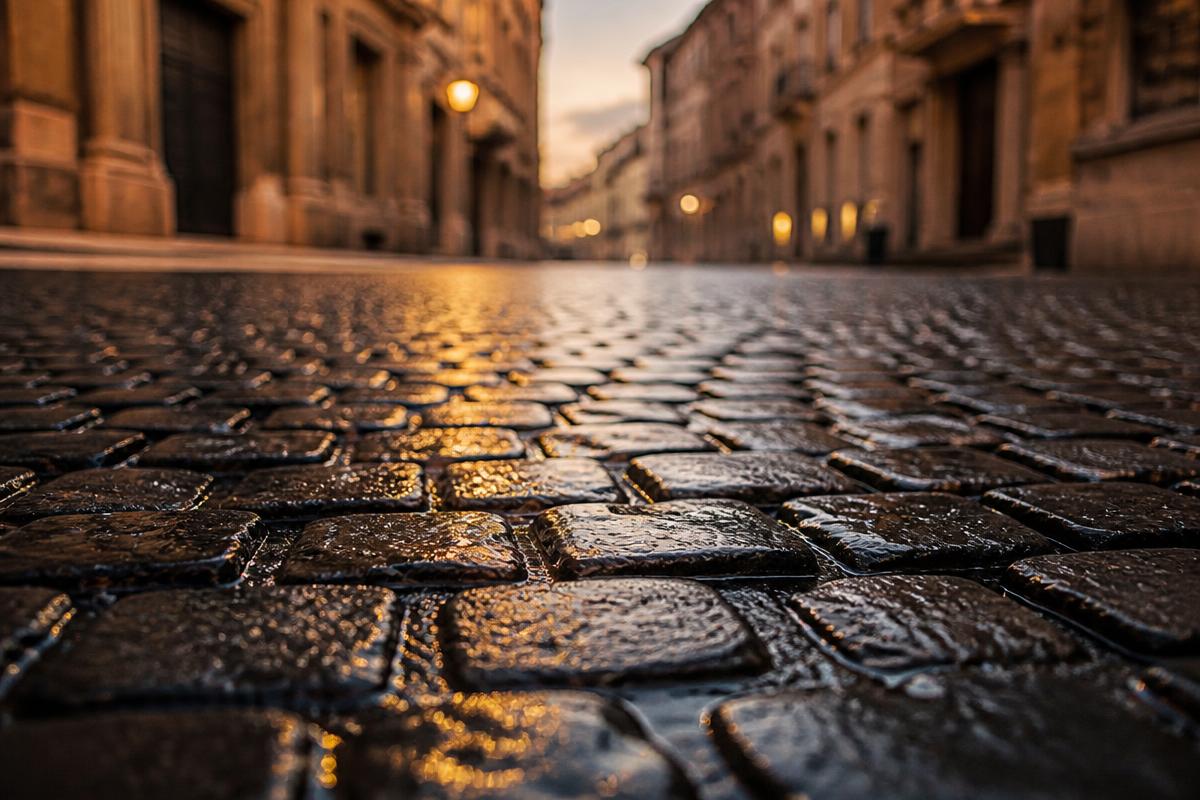 Rome
RomeThe small dark stones Rome has been walking on for centuries.
The sampietrini
Discover the story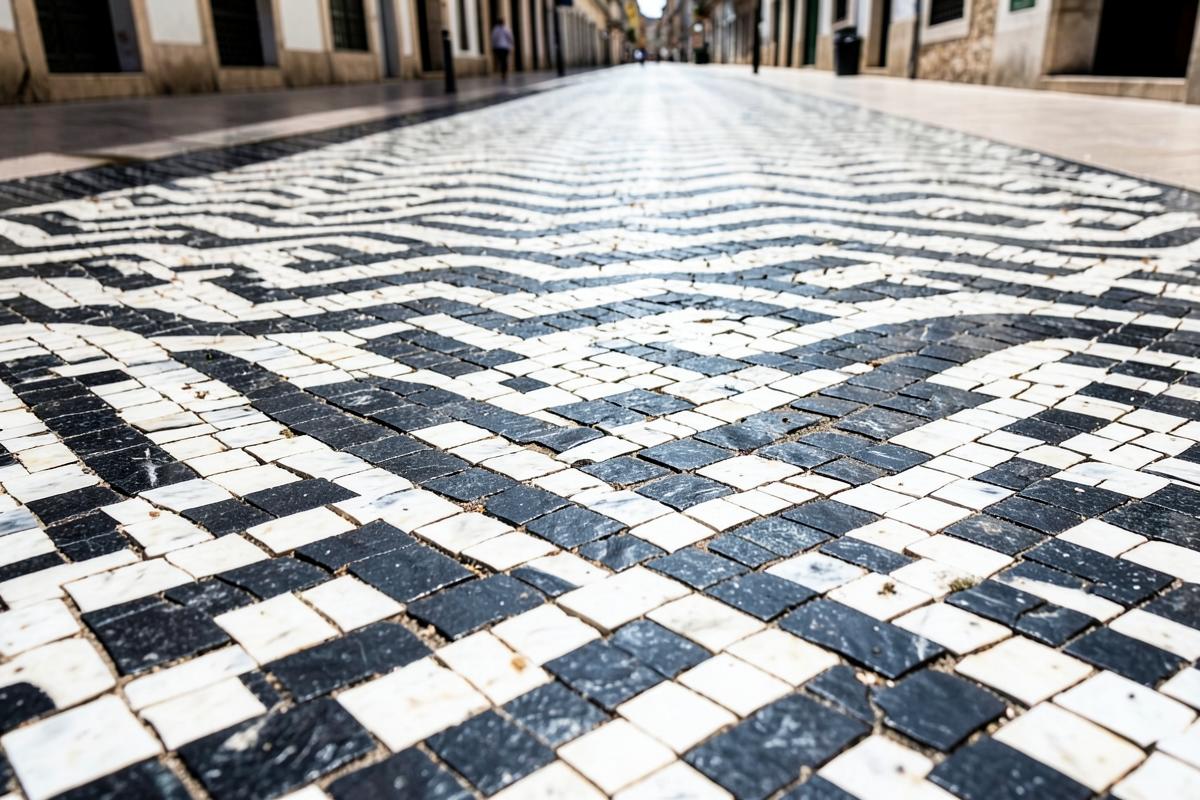 Lisbon
When a pavement stops being a pavement and turns into a drawing.
The calçada portuguesa
Discover the story