
The calçada portuguesa of Lisbon: a city drawn with stones
In Lisbon you can walk around looking at shop windows. But you risk missing one of the best parts of the city: the one under your feet.
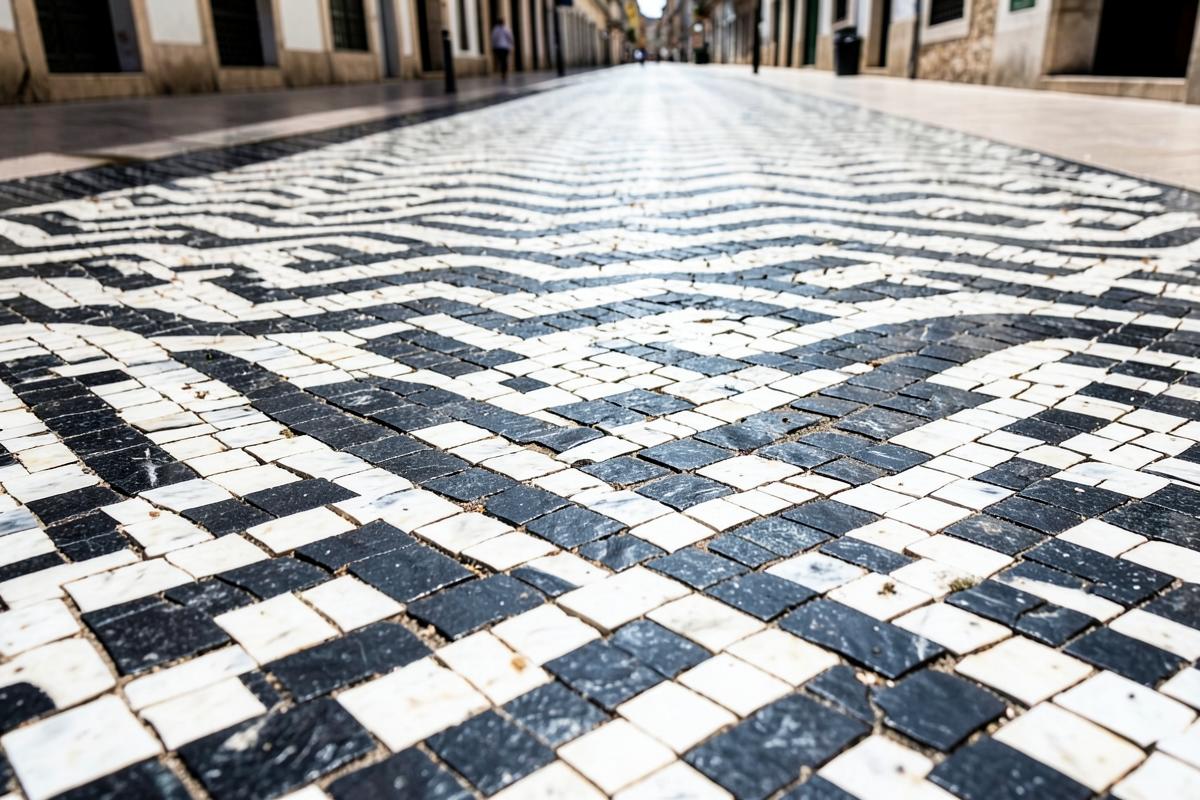
Lisbon has a special talent for making you look at the ground.
Sometimes because the street goes up.
Sometimes because it goes down.
And sometimes because the pavement is too beautiful to ignore.
Thousands of small light and dark stones form waves, geometric patterns, symbols and compositions running across squares and pavements.
This is the calçada portuguesa.
A way of paving that became one of the most recognisable images of Portugal.
Here the ground isn't only for walking.
It also draws.
Stone by stone
The calçada portuguesa is built by laying small pieces of stone by hand.
The calceteiros, craftspeople specialised in this trade, compose the motifs piece by piece.
The contrast between light and dark stones makes geometric and figurative shapes possible.
Up close they are just small irregular pieces.
Step back and the drawing appears.
Maybe that is where the magic is.
A single stone doesn't look especially important.
Thousands laid in the right place can transform an entire square.
A philosophy we understand rather well at LEVART.
A story that starts in a castle
The modern form of the calçada portuguesa we associate with Lisbon has a particularly interesting date.
1842.
There was a barracks in the Castelo de São Jorge at the time.
Lieutenant General Eusébio Cândido Furtado requested specialised workers to teach paving techniques to a group of prisoners under his responsibility.
The barracks courtyard ended up covered with a geometric pattern made of light and dark stone.
People liked it.
A lot.
So much that the system jumped from that military space to one of the most important places in Lisbon.
Rossio.
The sea appeared on the ground
Praça do Rossio received one of the patterns that would come to define the calçada portuguesa.
Black and white waves.
The motif known as Mar Largo visually creates the sensation of the sea's surface moving.
The idea works especially well in Lisbon.
A city whose history constantly looks towards the Atlantic ended up representing it on the pavement too.
The pattern spread and the technique started being used in other squares and streets.
Later it would travel much further.
The calçada portuguesa ended up appearing in other territories of the Portuguese-speaking world.
Suddenly, stones designed never to move had travelled thousands of kilometres as an idea.
Lisbon has a different light. The ground helps.
There is a less obvious feature of these pavements.
They reflect a lot of light.
Visit Lisboa points precisely to the contribution of the calçada to the city's characteristic brightness.
The light pieces catch the sun and bounce it back towards buildings, squares and streets.
So the pavement isn't only decoration.
It also takes part in the way we perceive Lisbon.
In a city full of pale façades, azulejos and reflections off the Tagus, even the ground seems to be helping out.
Beautiful, yes. Perfect, no.
As with the sampietrini in Rome, turning a historic pavement into a city symbol doesn't remove its everyday problems.
The small stones need specialised maintenance.
They can shift.
Polished surfaces can be slippery.
Accessibility raises new challenges.
And the calceteiros able to build and repair these mosaics properly need specific training.
Preserving the calçada therefore means preserving more than stones.
It also means preserving a craft.
Without the people who can lay them, the drawing disappears.
A work of art everyone walks on
There is something funny about the calçada portuguesa.
We usually protect a work of art to stop people touching it.
Here we do exactly the opposite.
We walk on it.
Every day.
Thousands of people.
Locals, tourists, children, prams, bicycles, suitcases.
The work succeeds precisely because it is part of daily life.
It needs no ticket and no display case.
It is just there.
Available to anyone who thinks of looking down.
Stones that make a route
A single stone can look insignificant.
But it changes when it becomes part of a drawing.
It also changes when we know where it came from, who laid it or who walked over it.
That is part of the LEVART idea.
We care about the moment a stone stops being just a stone because somebody adds a story to it.
In Lisbon it happens thousands of times per square metre.
Each piece occupies one precise spot.
And together they manage to draw a city.
Next time you're there, try it.
Look at the Tagus.
Look at the trams.
Look at the miradouros.
But save a few minutes to walk looking at the ground.
Lisbon is down there too.
Official sources
Shall we keep looking down?
At LEVART an ordinary stone gets a name, a mission and a QR code. Then it starts travelling from hand to hand.
Looking for inspiration for yours? Ideas to get your stone travelling
Keep discovering
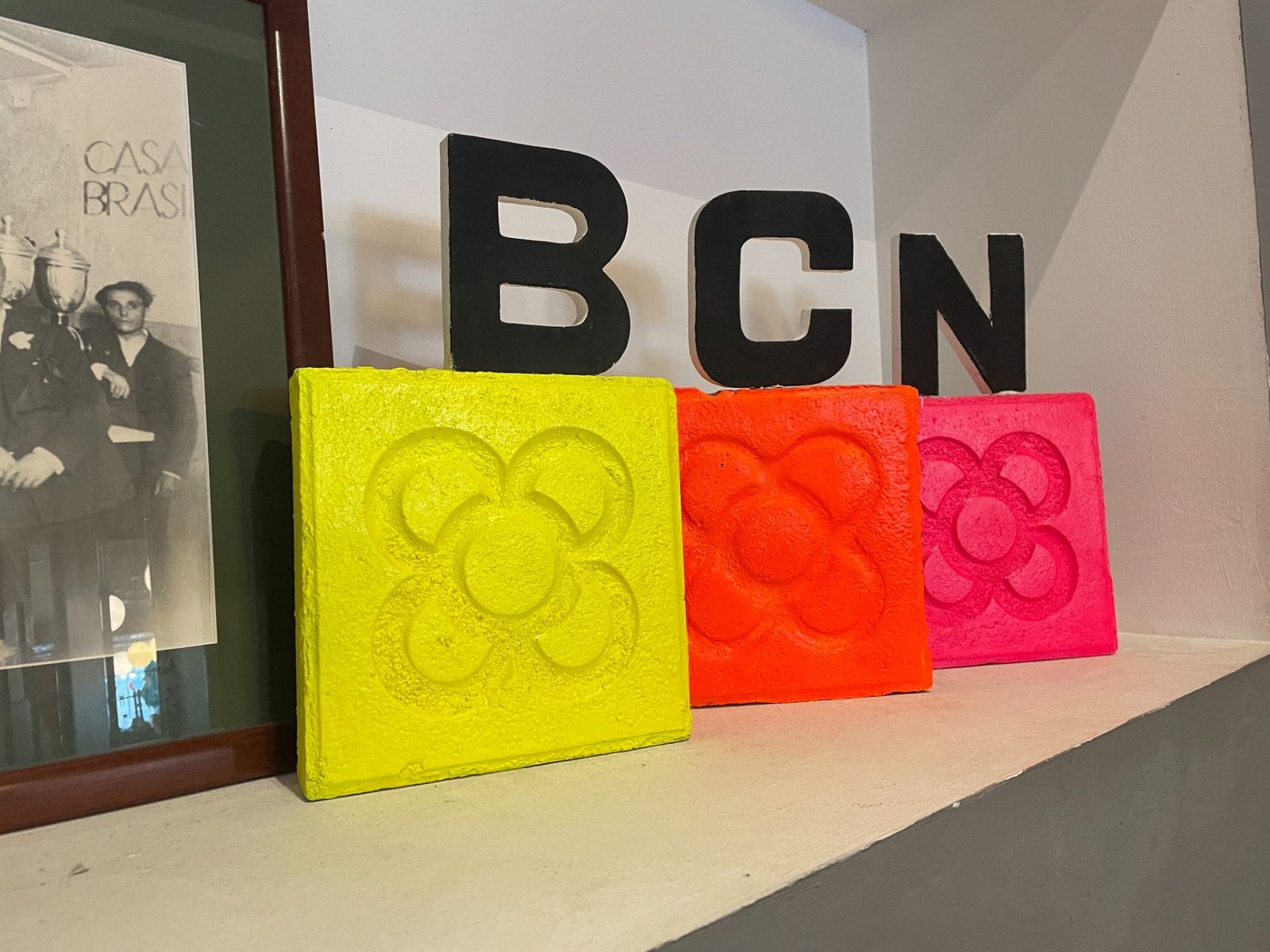 Barcelona
The flower millions of people step on every single day.
The panot of Barcelona
Discover the story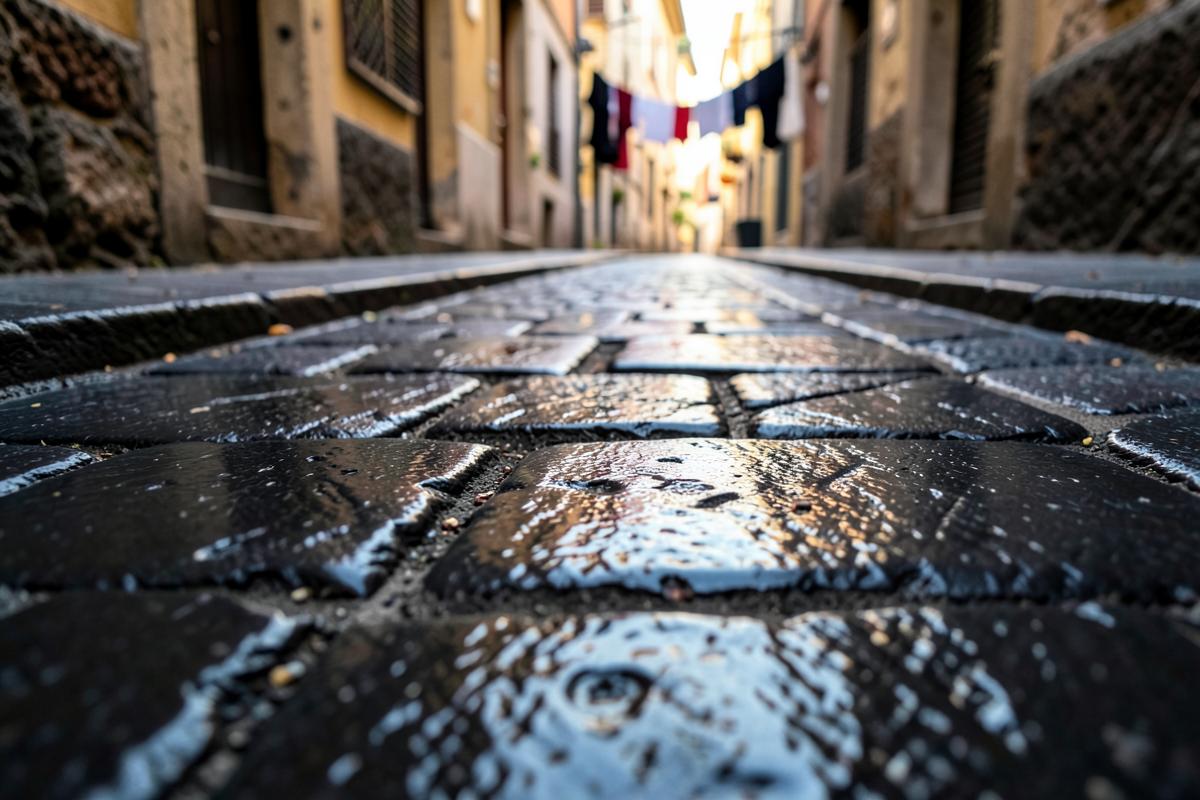 Naples
The stone born from a volcano that ended up becoming the city itself.
The Neapolitan basoli
Discover the story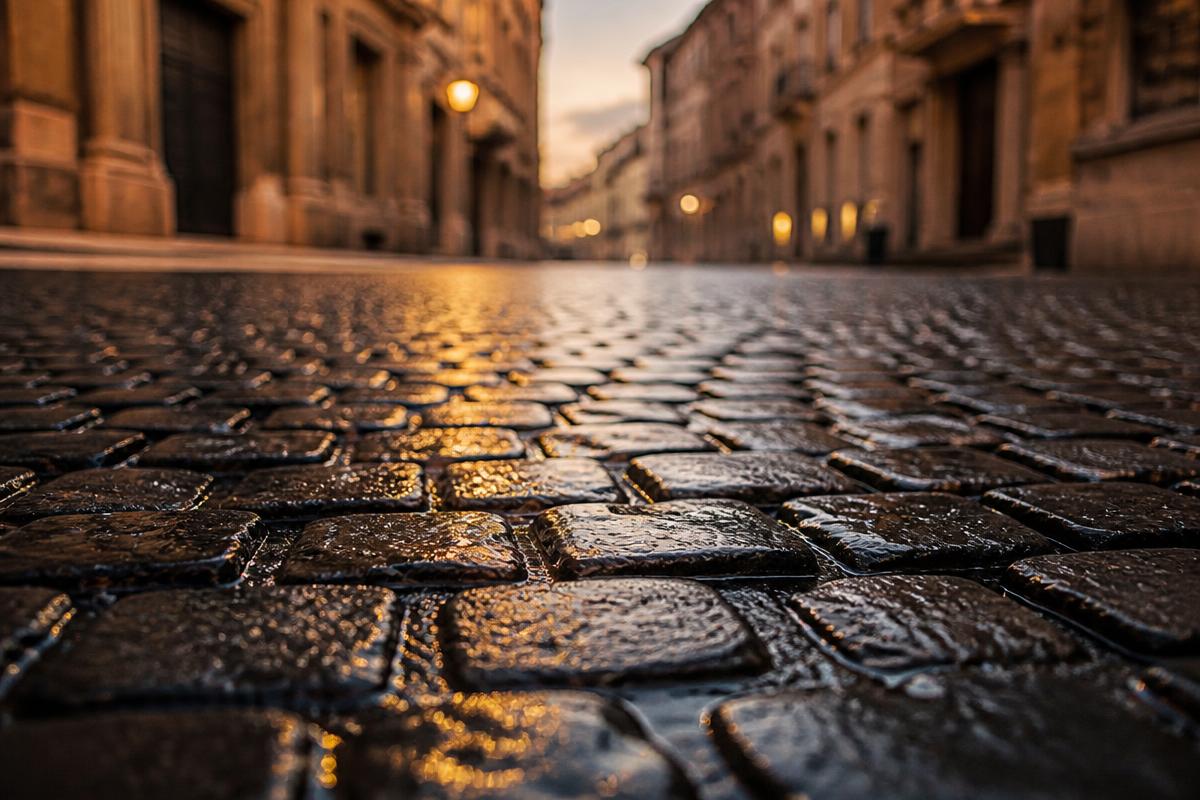 Rome
RomeThe small dark stones Rome has been walking on for centuries.
The sampietrini
Discover the story